
Home » Blog » The Role of Website Structure for Businesses
The Role of Website Structure for Businesses
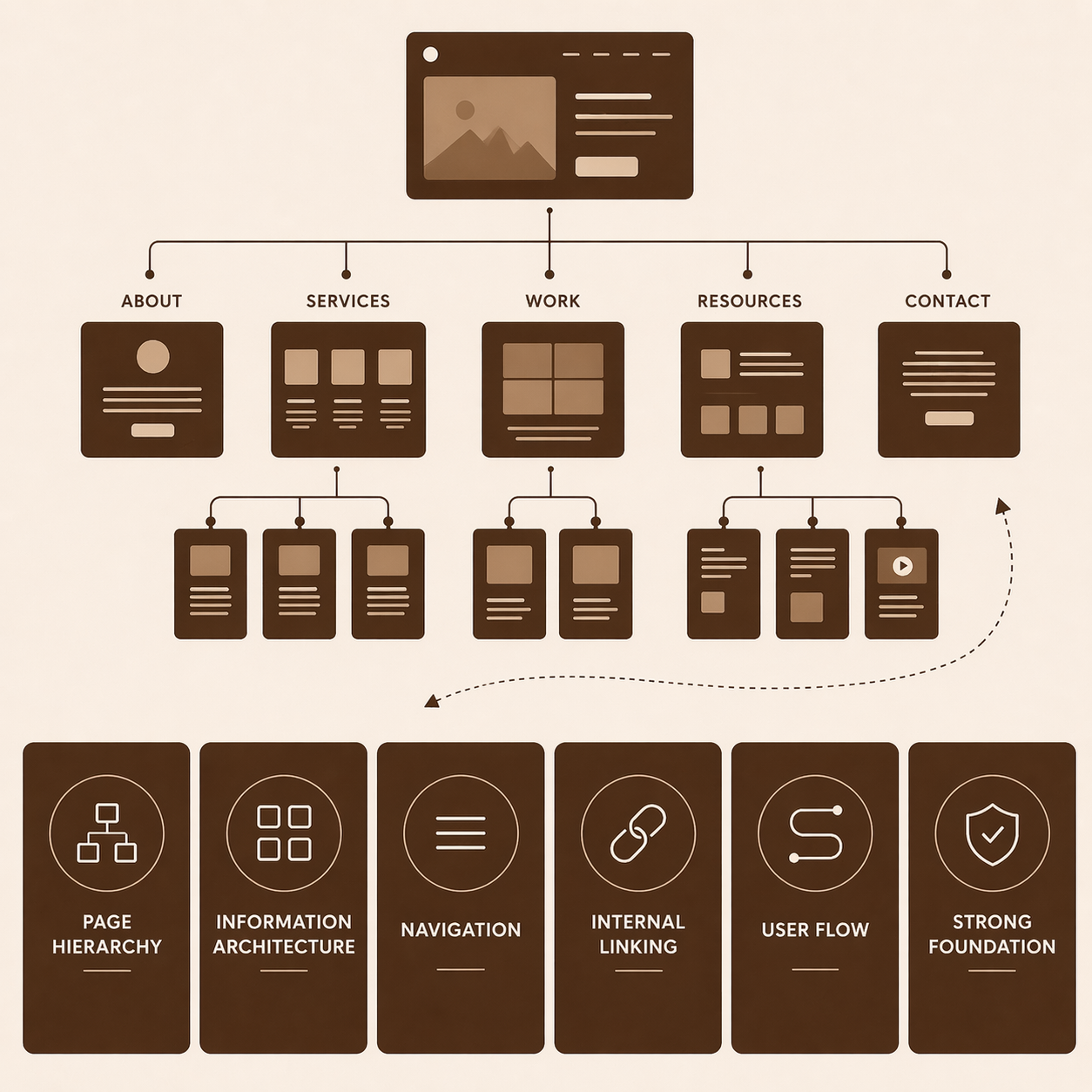
Website structure shapes how a business is understood online. It affects how pages connect, how visitors move through the site, how easily they find what they need, and how clearly the offer is communicated. When the structure is weak, even strong design and copy have to work harder. For businesses, website structure is not just a technical concern or a UX detail. It is a strategic foundation that supports trust, SEO, and clearer paths to action.
Esmara Abdollahi | ContentDepth
Table of Contents
What is website structure
Website structure is what turns a group of pages into a system. It shapes how information is organized, how people move through the site, and how clearly a business presents its offer.
A website can look polished and still fail at the basics. The problem is often not design. It is structure.
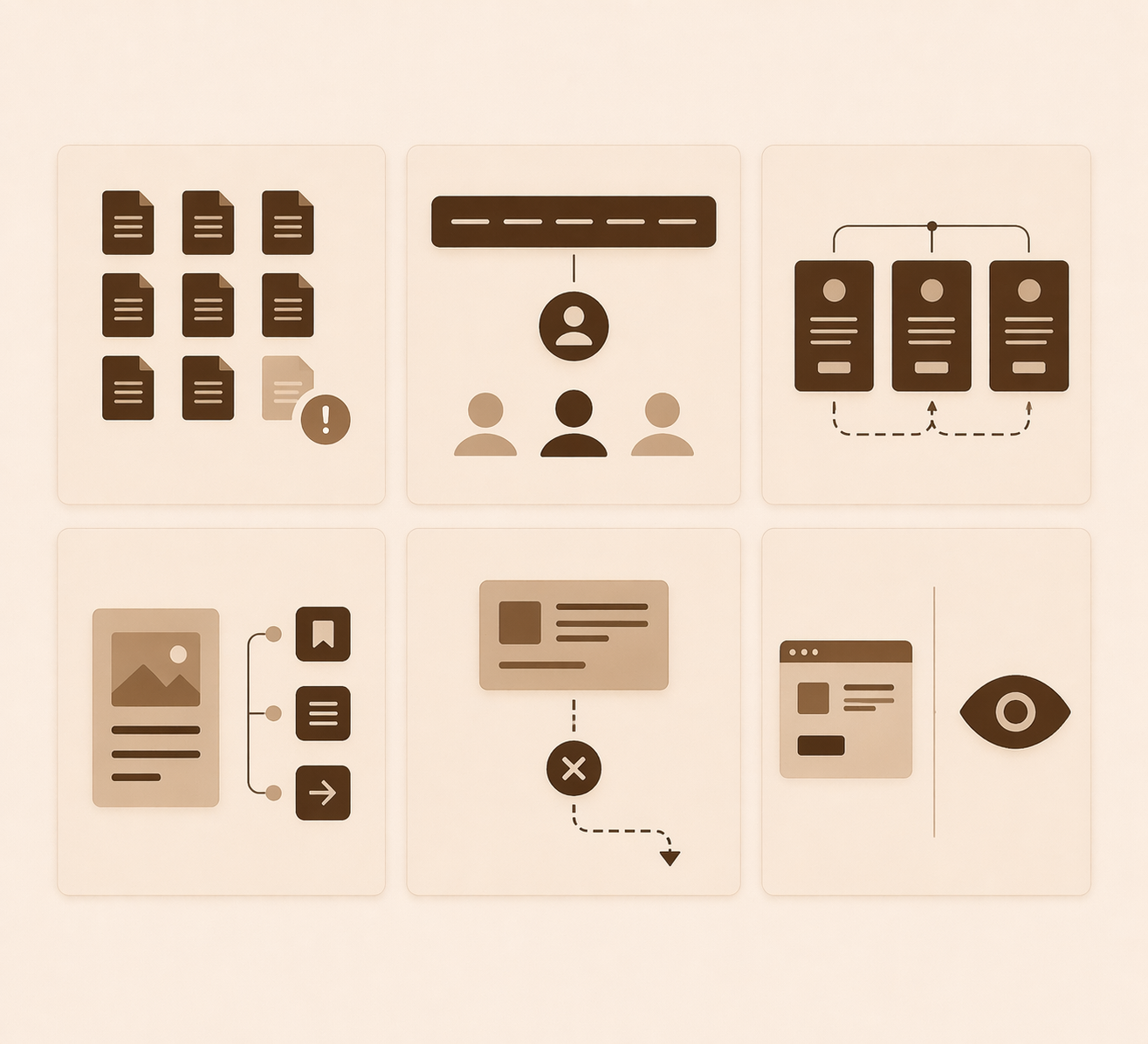
When pages are disconnected, navigation is unclear, and the flow between sections feels loose, visitors have to work too hard to understand the offer. They hesitate, miss important pages, or leave before taking action.
For businesses, structure matters because the website has to do more than look good. It needs to explain the offer, support trust, and guide the right visitor toward contact or inquiry. A stronger structure makes the site easier to understand, easier to trust, and easier to act on. It also gives the wider content system, internal linking, and SEO a more stable foundation.
This guide explains what website structure includes, why it matters, where it often goes wrong, and how it supports visibility and conversion.